|
Oral surgery plays a crucial role in maintaining not just one's dental health, but overall well-being. The significance of oral health is increasingly recognized as integral to general health, with correlations to systemic conditions such as cardiovascular disease and diabetes. By improving oral structures, surgery can alleviate pain, enhance functionality, and prevent complications that may otherwise affect the entire body. A growing body of research continues to underscore the interconnection between oral health and comprehensive health outcomes. This article explores the benefits of oral surgery, assuring patients of its pivotal role in enhancing quality of life and the value of professional oral surgery services.
As awareness grows, more patients are seeking oral surgery services to address issues that extend beyond routine dental care. These procedures are increasingly viewed as proactive healthcare measures rather than last-resort interventions. Oral surgery supports comfort, disease prevention, and long-term oral stability when conservative treatments are no longer sufficient. Understanding what oral surgery entails allows patients to approach treatment with confidence, clarity, and realistic expectations regarding outcomes and recovery. 1. Understanding Oral Surgery 1.1 Definition and Overview Oral surgery encompasses a wide range of surgical procedures performed within the oral cavity, jaw, and facial structures. This specialized field exists at the intersection of dentistry and surgery, focusing on conditions that cannot be adequately addressed through standard dental treatments alone. Procedures may involve teeth, bone, gums, nerves, or soft tissues, depending on the diagnosis, making oral surgery services essential for complex oral health needs. While the idea of surgery can seem intimidating, oral surgery is often a carefully planned and controlled intervention designed to resolve persistent problems. Advances in surgical techniques, anesthesia, and imaging have made these procedures safer and more predictable than ever before. When recommended appropriately, oral surgery serves as a foundational step toward restoring comfort and function. 1.2 Common Types of Oral Surgeries The scope of oral surgery is broad and tailored to address diverse patient needs. Tooth extractions are among the most common procedures, particularly when teeth are severely decayed, fractured, or impacted beneath the gum line. Wisdom teeth removal is frequently performed to prevent crowding, infection, or pain, all of which are routinely addressed through oral surgery services. Dental implant surgery replaces missing teeth with stable, long-lasting restorations that closely resemble natural teeth in appearance and function. These procedures are especially important for older adults facing widespread tooth loss. According to the CDC, complete tooth loss (edentulism) affects 11.4% of adults aged 65–74, and 19.7% of those 75 or older, highlighting the growing need for restorative oral surgery solutions that support nutrition, speech, and overall quality of life. Corrective jaw surgery, also known as orthognathic surgery, addresses skeletal misalignments that interfere with chewing, speaking, or breathing. Each of these procedures contributes to improved oral performance and long-term stability. 1.3 Indications for Oral Surgery Several clinical indicators may suggest the need for oral surgery. Persistent pain, chronic infections, impacted teeth, jaw abnormalities, facial trauma, cysts, or tumors often require surgical intervention when non-invasive treatments fail. In many cases, delaying surgery can allow conditions to worsen and lead to more extensive complications. Early diagnosis and timely treatment help preserve surrounding tissues and reduce the scope of future care. Oral surgery provides a definitive solution that addresses underlying causes rather than temporary symptom relief. 1.4 The Role of Oral Surgeons Oral surgeons undergo extensive education and training in both dentistry and surgical medicine. Their expertise allows them to diagnose complex conditions, plan precise treatments, and manage potential complications effectively. This dual background ensures a comprehensive approach to oral and facial health. They frequently collaborate with general dentists, orthodontists, and medical specialists to coordinate care. This team-based approach ensures that patients receive treatment plans tailored to both immediate needs and long-term oral health goals. 1.5 Preparing for Oral Surgery Proper preparation plays a vital role in achieving successful outcomes. Patients are typically provided with detailed instructions regarding medications, dietary restrictions, anesthesia options, and post-operative care. These steps are designed to minimize risks and promote efficient healing. Mental readiness is equally important. Understanding the procedure, recovery timeline, and expected results can significantly reduce anxiety. Adhering closely to professional guidance before surgery sets the foundation for smoother recovery. 2. Immediate Health Benefits 2.1 Pain Relief One of the most immediate benefits of oral surgery is the relief of chronic or acute pain. Conditions such as severe decay, abscesses, or jaw misalignment can cause ongoing discomfort that interferes with daily life. Surgical treatment directly removes or corrects the source of pain through targeted oral surgery services. Many patients report noticeable improvements shortly after recovery begins, including better sleep quality, improved ability to eat, and reduced reliance on pain medications. 2.2 Prevention of Infections Oral infections that penetrate deep into the bone or surrounding tissues often cannot be resolved with medication alone. Surgical removal of infected material eliminates the source of bacteria and prevents the spread of infection. This intervention protects not only oral structures but also reduces the risk of systemic complications. Prompt treatment is essential for safeguarding overall health. 2.3 Improved Oral Function Oral surgery restores essential functions such as chewing, speaking, and swallowing. Procedures that realign jaws or replace missing teeth allow patients to eat a wider variety of foods comfortably and speak more clearly. Improved function supports better nutrition, digestion, and confidence in social interactions. 2.4 Correction of Structural Issues Structural abnormalities caused by genetics, injury, or developmental conditions can impair oral performance and appearance. Oral surgery corrects these issues by repositioning bones and tissues into proper alignment. These corrections often improve airway function, facial symmetry, and speech, contributing to both physical and emotional well-being. 2.5 Management of Cysts and Tumors Cysts and benign tumors within the jaw or oral tissues can silently expand and damage surrounding structures. Surgical removal prevents progressive bone loss, tooth displacement, and nerve involvement. Early management minimizes long-term risks and supports ongoing oral stability through regular monitoring. 3. Long-Term Health Benefits 3.1 Prevention of Further Dental Issues Addressing underlying problems through surgery reduces the likelihood of recurring infections, shifting teeth, and progressive bone deterioration. Preventive care delivered through oral surgery services helps preserve remaining oral structures. 3.2 Enhanced Aesthetic Appearance Procedures such as dental implants and jaw corrections restore facial balance and symmetry. Improved appearance often boosts self-esteem and contributes to positive social and professional interactions. 3.3 Better Oral Hygiene Corrected spacing and alignment make routine brushing and flossing more effective. Improved access to all tooth surfaces lowers the risk of gum disease and decay. 3.4 Systemic Health Improvements Reducing chronic oral inflammation supports broader health systems, including cardiovascular and immune function. Maintaining oral health plays a role in overall disease prevention. 3.5 Quality of Life Enhancement Combined improvements in comfort, function, and confidence significantly enhance daily life. Patients frequently report long-term satisfaction following successful oral surgery. 4. Risks Associated with Oral Surgery 4.1 Common Surgical Risks Temporary swelling, bruising, discomfort, or mild bleeding are common and typically resolve with appropriate care. 4.2 Rare Complications Rare complications may include nerve sensitivity or sinus involvement in complex cases. Careful planning and imaging reduce these risks. 4.3 Mitigating Risks Selecting an experienced provider and following pre- and post-operative instructions significantly reduces complications. 4.4 Post-Surgical Care Medication adherence, dietary adjustments, and hygiene practices are critical for healing. Follow-up visits monitor progress. 4.5 Addressing Patient Concerns Clear communication and education empower patients and reduce anxiety throughout the treatment process. Oral surgery delivers benefits that extend far beyond immediate dental care. With proper planning, skilled treatment, and ongoing support, patients can achieve lasting improvements in comfort, function, and overall well-being. Contact our team at Elevated Oral & Implant Surgery, P.C. today to learn more about our comprehensive oral surgery services.
0 Comments
When it comes to oral health, many people wonder whether their wisdom teeth should stay or go. Wisdom teeth, also known as third molars, often appear in late adolescence or early adulthood and can sometimes cause discomfort or complications. For some individuals, these teeth come in without any issues, while for others, they can create a range of dental problems. Knowing whether to consider wisdom teeth removal depends on several factors, including symptoms, dental evaluations, and potential future concerns.
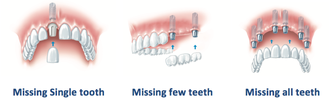
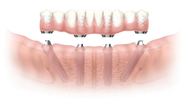
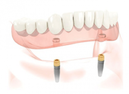
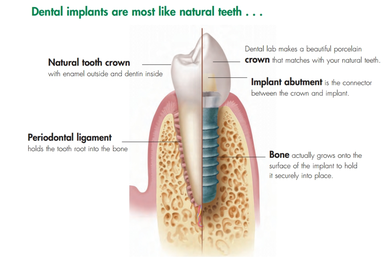
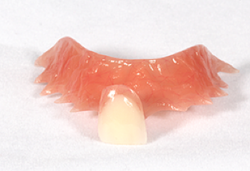
In this article, we will explore the signs and situations that often lead to wisdom teeth removal. We will also review the importance of professional dental advice and what you can expect from the process, so you can make an informed decision about your oral health. Understanding the Role of Wisdom TeethWisdom teeth are the last set of molars to emerge in the mouth. For many people, these teeth may never cause problems and can remain healthy and functional for a lifetime. However, others experience crowding, misalignment, or partial eruptions that can negatively affect their oral health. According to the American Dental Association, wisdom teeth usually appear between the ages of 17 and 21. Their late arrival often means there is less space for them to grow properly, leading to complications that may require wisdom teeth removal. Recognizing Common Symptoms of TroubleOne of the first steps in determining whether wisdom teeth removal is necessary involves recognizing symptoms that indicate a problem. While some people experience no discomfort, others may notice pain or discomfort in the back of the mouth that worsens over time. Swelling or tenderness around the gums where the wisdom teeth are erupting can also be a sign of trouble, as can difficulty opening the mouth or chewing due to pressure from emerging teeth. In some cases, redness or bleeding in the gum tissue near the affected area may indicate infection or irritation. Any combination of these symptoms can suggest that the wisdom teeth are impacted or erupting improperly, increasing the likelihood that removal will be recommended. Evaluating Risks of Impacted Wisdom TeethImpacted wisdom teeth occur when the teeth cannot fully emerge due to a lack of space or improper alignment. This condition often leads to additional oral health problems. For instance, partially erupted teeth can create openings where bacteria accumulate, causing painful infections. In rare cases, impacted teeth can contribute to cyst formation in the jawbone, creating further complications. Additionally, wisdom teeth that push against neighboring molars can damage these teeth or lead to decay as the pressure makes them harder to clean properly. Dental professionals often use X-rays to evaluate the position of wisdom teeth and assess the potential risks of leaving them untreated. If impacted teeth threaten overall oral health, wisdom teeth removal is typically the best option. Considering Long-Term Oral HealthEven when symptoms are minimal, dentists sometimes recommend wisdom teeth removal to prevent future problems. As the jaw and surrounding teeth continue to shift over time, wisdom teeth can become harder to clean, making them more susceptible to decay or gum disease. Removing wisdom teeth before they cause major issues often simplifies recovery and reduces the risk of complications. Many oral health professionals believe that early intervention, before the roots fully develop, can lead to better outcomes and easier healing. Understanding the Role of Dental EvaluationsDetermining whether wisdom teeth removal is necessary involves a thorough evaluation by a dental professional or oral surgeon. During a consultation, a dentist will conduct a physical examination of the teeth and gums to identify signs of inflammation or infection. X-rays or imaging tests help reveal the position of the wisdom teeth, their angle of eruption, and their proximity to nerves or sinus cavities. Patients should also discuss any symptoms such as pain, swelling, or jaw stiffness that may influence the decision. Based on these findings, the dental professional can recommend whether removal should be scheduled soon or monitored over time. Regular dental visits allow professionals to track the development of wisdom teeth and make timely decisions about removal before complications arise. Preparing for Wisdom Teeth RemovalIf your dentist or oral surgeon recommends wisdom teeth removal, preparation is an important part of the process. This often involves scheduling the procedure at a time that allows for adequate rest and recovery, discussing anesthesia options to ensure comfort during the extraction, and reviewing medication instructions for managing pain and preventing infection afterward. Patients are typically advised to arrange transportation in advance since they cannot drive themselves home after receiving anesthesia. Taking these steps beforehand helps reduce anxiety and ensures a smoother experience from start to finish. Understanding the ProcedureWisdom teeth removal is a routine oral surgery performed by dental professionals and oral surgeons. The procedure typically begins with administering anesthesia to keep the patient comfortable and pain-free. In some cases, small incisions are made in the gum tissue to access the teeth, particularly if they are impacted. The wisdom teeth are then removed either in whole or in sections, depending on their position and complexity. Finally, the surgical site may be closed with stitches when necessary to promote proper healing. Most procedures take less than an hour, though the duration varies depending on the number of teeth removed and the difficulty of the extraction. Recovering After Wisdom Teeth RemovalRecovery plays a crucial role in the overall success of wisdom teeth removal. Patients can expect mild swelling, discomfort, or bruising in the days following the procedure. Dentists typically recommend resting and limiting physical activity for at least 24 to 48 hours after surgery to promote healing. Applying ice packs to the outside of the face can help reduce swelling, while eating soft foods like yogurt, soup, and mashed potatoes can prevent unnecessary strain on the surgical area. Patients are also advised to avoid smoking or using straws to protect the blood clot that forms in the socket. Following medication instructions carefully helps manage pain and prevent infection. Most people recover within a week, though complete healing of the surgical site may take several weeks. Weighing the Benefits of Early RemovalMany oral health professionals recommend early removal of wisdom teeth to minimize future risks. Early intervention reduces the likelihood of complications since younger patients typically heal faster and face fewer surgical challenges. It also lowers the risk of infection by removing teeth before they fully erupt, prevents crowding or misalignment in already straightened teeth, and may result in lower overall costs by avoiding emergency extractions or advanced treatments later on. Discussing the timing of wisdom teeth removal with your dentist can help you plan for the best possible outcome. Knowing whether your wisdom teeth need to be removed requires paying attention to symptoms, attending regular dental evaluations, and considering the long-term effects on your oral health. From recognizing the signs of impacted teeth to understanding the benefits of early intervention, making an informed decision about wisdom teeth removal can prevent complications and support a healthier smile for years to come. If you are experiencing discomfort or simply want a professional opinion about your wisdom teeth, contact Elevated Oral & Implant Surgery today to schedule a consultation and take the first step toward better oral health. We look forward to assisting you! A dental implant is one option to replace one, several or all of your missing teeth. Dr. Barroner works together with your other dental providers to help replace your missing teeth with dental implants so you can have a beautiful smile and continue to enjoy the food you love! A “dental implant” has several components: *the implant itself is medical grade titanium alloy that looks like a screw and takes the place of where your tooth root was. *the abutment is a part that screws into the implant which is what the crown or cap will be cemented or screwed onto (a healing abutment or healing cap is placed before the final abutment can be placed to allow for soft tissue healing). *the crown or “cap” fits on the abutment and is either screwed or cemented into place by your dentist, this is the part of the “dental implant” that you actually see above the gum tissue and looks like the white part of your tooth. Dental Implants can be useful in several situations: *Replacing a single tooth *Replacing several missing teeth with an implant supported bridge (uses two dental implants to support 2-4 teeth depending on the area) -Replacing all upper or lower teeth with multiple implants to support fixed (meaning the teeth stay in your mouth and can only be removed by your dental provider) or removable (dentures that snap onto implants to keep them in place) dental appliances When can you have “teeth/caps” placed on the dental implants? This can vary depending on many factors such as the initial stability of the dental implant, location of the dental implant, health of the patient and patient’s bite but you could potentially have a temporary crown or denture placed the same day as the procedure. However, in many cases, the dental implant usually takes approximately 2-3 months to heal and fuse to your bone, after which point the implant will be ready to uncover (if it hasn’t been exposed already) and then restored with the crown/cap. If your dental implant can’t be restored right away your dentist can offer a temporary replacement that is usually removable. Some options include a “flipper” or an Essix retainer. Am I a candidate for a dental implant?
Dr. Barroner is pleased to offer complimentary implant consultations to determine if you a good candidate for dental implants. She will review your medical history and perform a clinical exam. In addition, in many cases Dr. Barroner may recommend a three dimensional x-ray called a Cone Beam CT (CBCT)* to further evaluate the hard and soft tissue structures which can affect implant treatment planning. *Please be advised additional fees may apply for the CBCT imaging. Written By: Dr. Meghan Barroner, D.M.D. 4/25/17 Depending on what type of procedure you are having and based on your health it may be recommended that you undergo some form of sedation or general anesthesia for your treatment. Our goal here at Elevated Oral & Implant Surgery it to provide the highest level of care for our patients and allowing them to have a positive, safe, comfortable experience. The more complex the surgery, or the more anxious you are about your upcoming treatment may be reasons to consider different types of anesthesia options. Dr. Barroner will discuss with you what type of anesthesia would be best for your particular situation.
Types of anesthesia: Local Anesthesia—this is what most people refer to as “Novocaine” or numbing medication. Regardless of whether or not you stay awake for your procedure we will always provide local anesthesia to help reduce any discomfort both during and after the procedure. Typically, this is the safest form of anesthesia, as any type of sedation carries some additional risk. We generally apply a topical numbing jelly before giving the local anesthetic injection, which helps make it more comfortable. The effects of the local anesthesia can be expected to last anywhere from 1-3 hours usually. Oral Sedation—with this form of sedation your doctor will prescribe an oral medication to take usually 1 hour before your scheduled treatment (and on occasion some patients will also be instructed to take this the night before the procedure as well). Most patients who opt for this type of sedation feel very relaxed, but are still usually aware of their surroundings and are not sleeping during the procedure, but everyone responds differently to the oral medication, so patients may have different experiences based on how the mediation affects them. You will not be permitted to drive yourself to or from the appointment if you have any form of sedation, including oral sedation, so you must have a responsible adult driver with you if you choose this type of anesthesia. Nitrous Oxide and Oxygen—this is commonly called “Laughing Gas”. This form of medication is a breathable gas that makes most people feel very relaxed, though similarly to oral sedation you generally are still aware of your surroundings, but just don’t care as much what is going on around you. This medication is also a very safe medication and due to its short acting duration, once we turn the gas off and you breath 100% oxygen after the treatment is complete the drug leaves your system quickly and you are safe to drive yourself home. IV Sedation and General Anesthesia—just as the name implies you will need to have an IV started for us to administer this type of sedation or anesthesia. This type of sedation puts most patients in a much deeper sleep than Oral Sedation or Laughing Gas, however some patients may have a brief period of time where they may wake up a bit and the doctor will administer additional medication to relax patients again (this allows the doctor to titrate the sedative medications for a safe and comfortable experience). This type of anesthesia does carry slightly more risk, but again your doctor will review if you are a good candidate for this type of anesthesia and discuss any possible risks with you and answer your questions prior to your treatment. There are special instructions you must follow for this type of anesthesia and they will be reviewed with you before your treatment. **For smaller children: Often times to perform treatment for anxious children utilizing some form of sedation is necessary for safe treatment and to help make their dental/oral surgery experience a non-traumatic one. Depending on your child’s weight the doctor may recommend an oral sedative medication which will generally allow them to cooperate well with the start of an IV. Also, depending on the level of anxiety and other factors the patient may do quite well with the laughing gas sedation. The doctor will discuss the recommended options for your child. Frequently Asked Questions: Who provides the Anesthesia? That is a great question! Oral & Maxillofacial Surgeons are a unique specialty and are the only practitioners aside from anesthesiologists that hold an unrestricted license to provide local anesthesia up to and including general anesthesia. We go through extensive anesthesia training during our hospital residency alongside of anesthesia residents that prepares us well to evaluate patients pre-operatively and provide safe anesthetic techniques tailored to each patients’ specific needs. We also have extensive training in rescue and resuscitation efforts should that ever be required. Our office is equip with all the necessary supplies to provide a safe and effective anesthetic. We are held to the same standards as an anesthesiologist would be when providing our anesthesia services. That being said, to answer the question of who provides the anesthesia---it is the Oral & Maxillofacial Surgeon who provides the anesthesia. Is the anesthesia safe? As mentioned previously all types of anesthesia carry some risk with them, even local anesthesia, but your doctor will review your medial history and clinical exam to determine your specific risks and determine what type of anesthesia would be best in your situation. Also, we often coordinate care with your other health care providers if needed to help minimize your anesthetic risks. Dr. Barroner carries up to date ACLS (advanced cardiac life support) and PALS (pediatric advanced life support) certificates and both she and her staff carry BLS/CPR (basic life support) certifications. They practice emergency drills to be prepared should any event arise. This is a great article to help you understand that our outpatient anesthesia services are very safe: http://www.aaoms.org/docs/govt_affairs/advocacy_white_papers/advocacy_office_based_anesthesia_whitepaper.pdf Written by: Meghan Barroner, D.M.D. 2/16/17 |
AuthorWrite something about yourself. No need to be fancy, just an overview. Archives
February 2026
Categories |
POPULAR LINKS |
ADDRESSTelephone |
hoursMonday 8:00a-4:00p
Tuesday 8:00a-4:00p Wednesday 8:00a-4:00p Thursday 7:30a-3:30p Friday 7:30a-1:00p |